
Stump Grinder Techniques That Transform Stubborn Stumps into Garden Space
Transforming a garden space often begins with dealing with the obstacles left behind after tree removal. Old stumps can interrupt new landscaping plans, create mowing challenges, and make an otherwise attractive yard look unfinished. While they may seem like permanent fixtures, they can be addressed efficiently with the right process and preparation. Using a stump grinder is one of the most practical ways to clear the area and prepare the ground for fresh planting, new hardscaping, or a cleaner lawn design.
Understanding the Stump Grinding Process
Stump grinding is a method used to chip away a tree stump until it sits below ground level. Rather than pulling roots from the soil, the machine gradually shaves the wood into small pieces that can be reused or removed. This makes the process less invasive than total stump extraction and often more manageable for residential landscapes. It is especially useful in gardens or lawns where preserving nearby plants, irrigation lines, and overall layout matters.
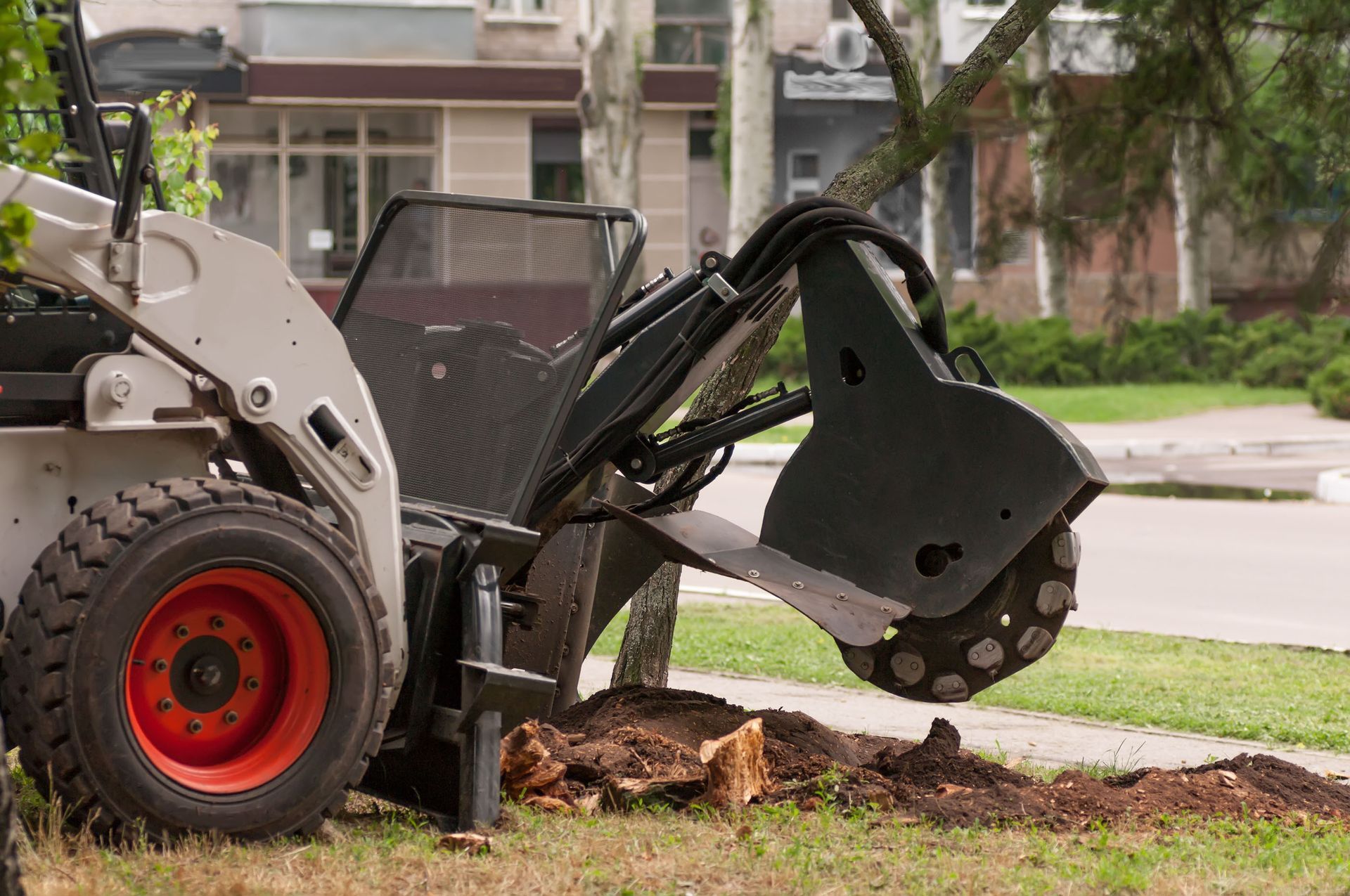
The machine itself is designed with a rotating cutting wheel fitted with strong teeth that grind through wood in controlled passes. A stump grinder can range from a compact unit suitable for small backyard projects to a larger commercial model designed for dense wood and wider areas. The operator works the wheel across the stump in layers, gradually reducing height and depth. This approach helps reclaim the area quickly while limiting damage to the surrounding yard.
Interestingly, the demand for standalone stump grinding services is relatively limited. According to Fact.MR, only about 20% to 25% of stump grinding jobs are standalone calls, while most are performed alongside tree removal services. That detail shows how often stump work is part of a larger landscape improvement effort rather than an isolated task. It also reflects the practical mindset many property owners take when they choose to improve the appearance, safety, and function of their outdoor spaces all at once.
Why Stump Removal Matters in Garden Planning
Leaving a stump in place can create more problems over time than many people expect. As the wood decays, it may attract insects such as ants, beetles, or termites, depending on the region and condition of the stump. It can also encourage fungal growth, which may affect nearby plants in some settings. Beyond those concerns, a stump breaks up the visual flow of a garden and can make even a well-maintained lawn feel incomplete.
Removing the stump also improves the way the outdoor area functions. A clear patch of ground can be repurposed for flowers, shrubs, grass, edging, or even a seating feature. This opens the door to more flexible landscaping decisions and allows the entire yard to feel more intentional. In many cases, one removed stump can make a surprising difference in how spacious and polished the garden appears.
Safety is another reason this work is important. Hidden roots and low stump edges can create tripping hazards for children, guests, and anyone maintaining the property. Lawn equipment can also be damaged when operators have to work around remnants in the grass. Addressing the problem early helps maintain a safer and more efficient yard while preventing the space from becoming more difficult to manage in the future.
Choosing the Right Equipment for the Job
Not every project requires the same type of machine. Smaller yards with narrow access points may be best served by compact equipment, while larger properties or dense hardwood stumps may call for more powerful commercial units. The right choice depends on stump diameter, wood condition, terrain, and accessibility. Selecting equipment based on those factors helps improve efficiency and reduces unnecessary strain during the project.
A stump grinder for light residential use is typically easier to maneuver and may be more appropriate when the work area is tight or delicate. Larger models, including track-driven options, are better suited for rough terrain or oversized stumps that require more cutting power. The goal is to match the machine to the scale of the task rather than simply choosing the biggest option available. Proper equipment selection usually leads to cleaner results and a smoother overall process.
It is also wise to think about ease of operation, maintenance needs, and whether renting or hiring help makes more sense than purchasing equipment. Someone with limited experience may find that professional service is more cost-effective than taking on the learning curve alone. On the other hand, frequent landscape work may justify a rental or repeated access to a dependable machine. Thoughtful planning at this stage can save time, money, and frustration later.
Preparing the Area Before Grinding Begins
Preparation plays a major role in both safety and efficiency. Before work starts, the area around the stump should be cleared of rocks, loose debris, decorative items, and any obstacles that could interfere with the machine. It is also important to identify utility lines, irrigation components, or shallow root systems from nearby plants. A careful inspection reduces the chance of avoidable damage and gives the operator a better idea of how to approach the stump.
Personal protective equipment is essential during the process. Eye protection, gloves, durable footwear, and hearing protection are all important because wood chips and debris can travel quickly. Operators should also understand the machine controls before beginning work and avoid rushing through the job. Even a powerful stump grinder performs best when handled with patience and precision rather than force.
Weather and ground conditions should also be considered. Wet soil can reduce traction and make the surrounding area messier or less stable. Strong wind may affect visibility by blowing chips and dust back toward the operator. Taking time to work under steady, manageable conditions supports better control and more predictable results from start to finish.
Techniques for Efficient Stump Grinding
Successful grinding starts with evaluating the stump itself. Size, age, moisture level, and wood hardness all influence how much effort the job will require. A softer, older stump may break down faster, while a dense, freshly cut hardwood stump usually takes more time. Looking at the surrounding area is equally important, since nearby walls, plants, paths, or fences may require a more careful grinding angle.
Positioning matters throughout the process. The cutting wheel should be aligned so it can move across the face of the stump in steady passes, gradually reducing the surface. A stump grinder works most effectively when the operator removes the wood layer by layer rather than trying to force deep cuts too quickly. This technique improves control, reduces wear on the equipment, and makes it easier to create an even result below grade.
Grinding from multiple angles is often helpful, especially when the stump has an irregular shape or large root flares near the base. Moving methodically allows the operator to reach overlooked sections and avoid leaving raised areas behind. Working in stages also makes it easier to monitor machine performance, blade condition, and overall progress. In most cases, consistency produces better results than speed alone.
Whether the project is part of a major garden redesign or a simple effort to tidy up the yard, stump grinding offers a practical path forward. With the right planning, proper technique, and careful use of a stump grinder, property owners can reclaim valuable space and support healthier, more attractive outdoor environments. In that way, an old stump stops being a lingering problem and becomes the starting point for a stronger landscape design. Contact Jake's Lawn & Tree Service today to get connected with our landscaping services.


Share On: