5 Important Aspects of Tree Cutting to Be Aware Of
Tree cutting plays an important role in maintaining safe and attractive outdoor spaces. Homeowners often hire professionals when trees become damaged, diseased, overgrown, or hazardous. While a company will be handling the work, understanding the process helps property owners make informed decisions. Tree cutting involves more than simply removing branches or trunks. It requires planning, knowledge of environmental impact, compliance with regulations, and attention to safety.
1. Safety Considerations
1.1 Professional Safety Standards
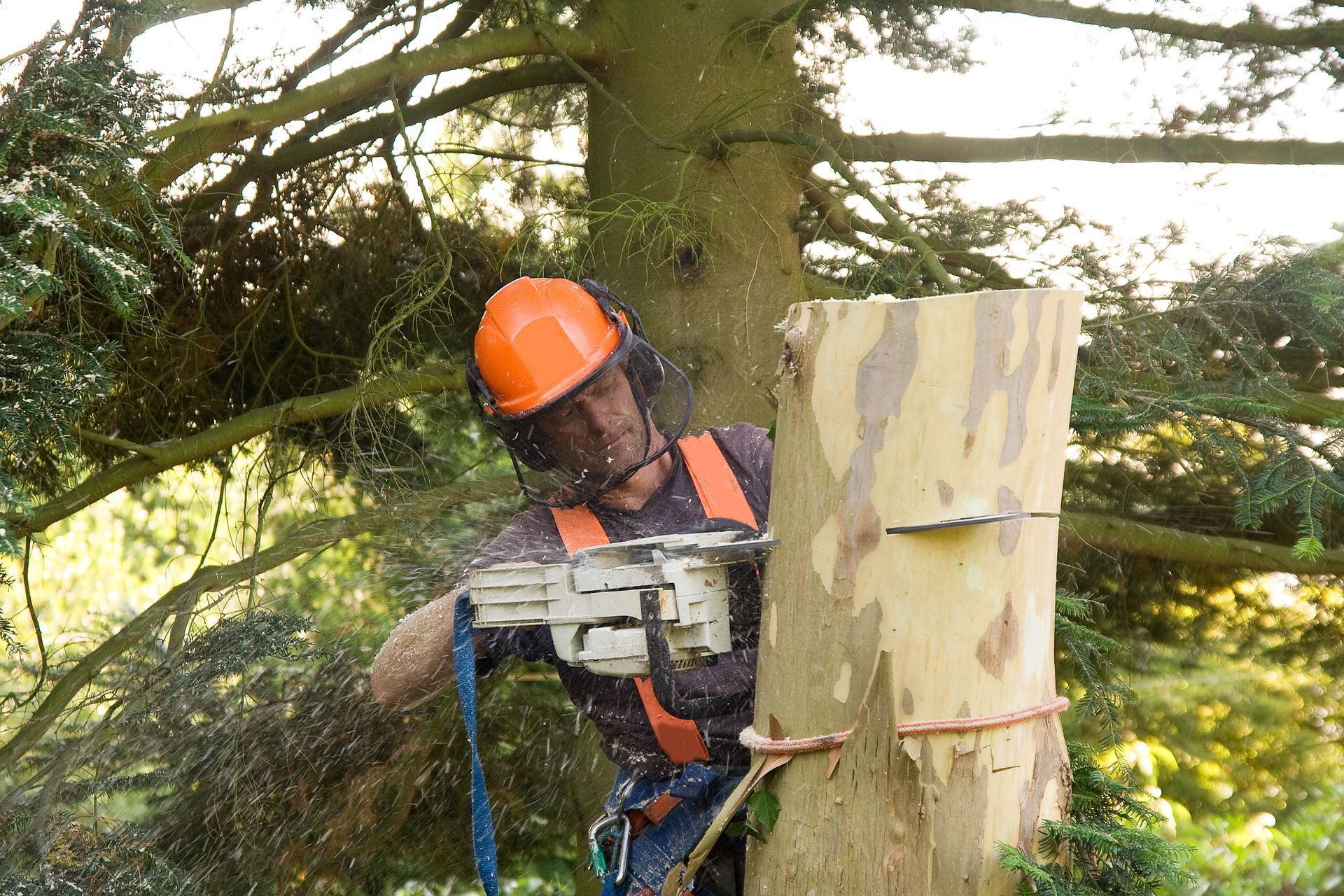
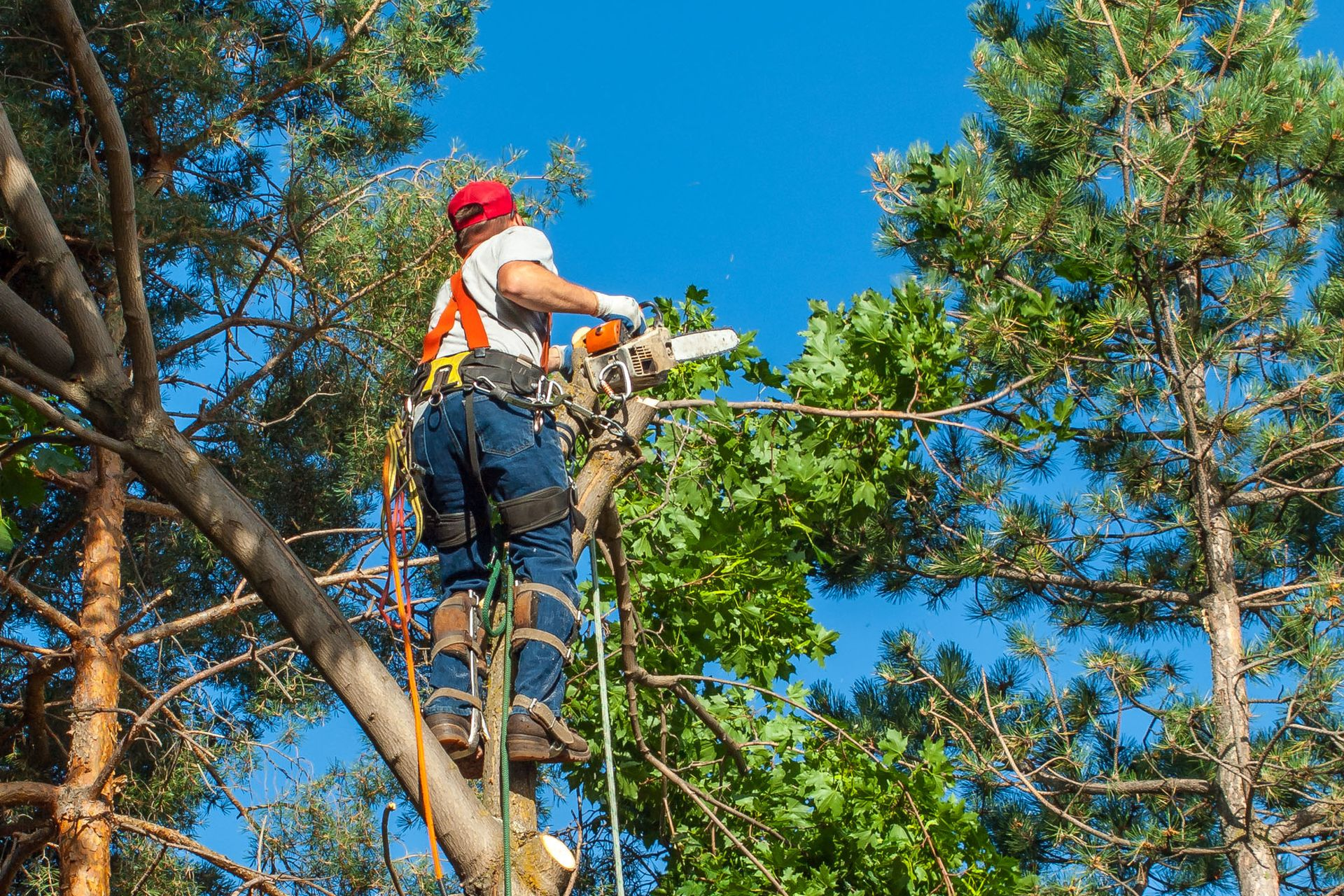
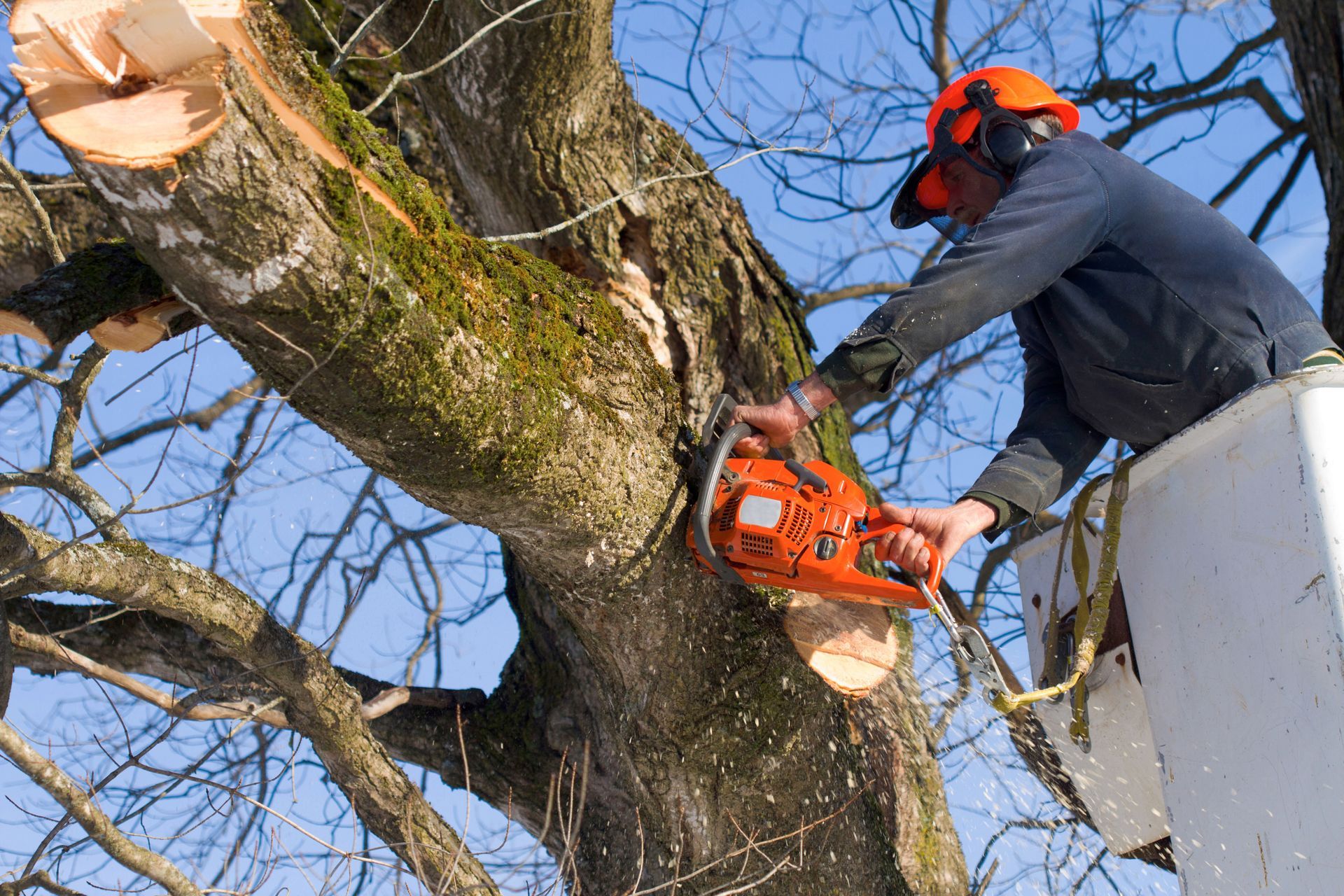
When hiring a company for tree cutting, safety should be a top priority. Professional crews follow strict safety standards to protect workers, nearby structures, and surrounding landscapes. They use protective equipment such as helmets, gloves, eye protection, and chainsaw-resistant clothing. This equipment reduces the risk of injury from falling branches, debris, or equipment mishaps.
Reputable providers also train their teams in proper equipment handling and hazard awareness. Tree cutting often involves working at heights, operating heavy machinery, and managing unpredictable tree movement. Professional training ensures the crew can manage these risks effectively.
1.2 Site Evaluation and Planning
Before any tree cutting begins, a thorough site evaluation should take place. Professionals assess the tree’s size, condition, and proximity to structures, power lines, and neighboring properties. They also identify potential obstacles such as fences, gardens, or underground utilities.
Careful planning determines the safest direction for the tree to fall or how sections will be removed in controlled stages. Weather conditions are also considered. High winds or storms can increase hazards, so experienced crews schedule work during safe conditions whenever possible.
1.3 Emergency Preparedness
Even with careful planning, emergencies can occur. Established tree cutting companies prepare for unexpected situations by keeping first-aid kits on site and maintaining clear communication among crew members. Many teams are trained in first aid and CPR, allowing them to respond quickly if an accident happens.
Professional companies also carry liability insurance and workers’ compensation coverage. This protects homeowners from financial responsibility in the rare event of property damage or injury during tree cutting operations.
2. Environmental Awareness
2.1 Protecting Local Wildlife
Trees often serve as habitats for birds, insects, and small mammals. Responsible tree cutting considers wildlife. Professional crews may inspect trees for nests or signs of active wildlife before beginning removal. In some cases, timing the work outside of nesting seasons helps reduce disruption.
Protecting local ecosystems maintains biodiversity and supports a balanced environment. Choosing a company that respects environmental considerations reflects a commitment to responsible property management.
2.2 Sustainable Practices
Sustainability plays an increasing role in modern tree cutting services. Rather than sending all debris to landfills, many companies recycle wood into mulch, firewood, or compost material. Some even partner with local organizations to repurpose usable lumber.
Selective removal is another sustainable approach. Instead of clearing multiple trees unnecessarily, professionals evaluate which trees truly pose risks. This preserves healthy trees and maintains the natural beauty of your landscape.
2.3 Replanting and Spacing Considerations
After tree cutting, homeowners often consider planting new trees. Proper placement is essential to prevent future structural issues. According to Almanac, small trees should be planted 8 to 10 feet away from your home. Adequate spacing reduces the risk of root damage to foundations and minimizes the need for premature removal later.
Thoughtful replanting supports long-term landscape health. Consulting professionals about appropriate species and placement ensures new growth thrives without creating future hazards.
3. Legal and Regulatory Requirements
3.1 Property Rights and Boundaries
Understanding property boundaries is crucial before scheduling tree cutting. Trees located near fences or shared property lines can lead to disputes if ownership is unclear. A professional company may recommend confirming property lines or obtaining written agreements from neighbors before proceeding.
Clear communication prevents misunderstandings and helps maintain positive relationships with surrounding property owners.
3.2 Permits and Local Regulations
Many municipalities regulate tree cutting, particularly for large, mature, or protected species. Some areas require permits before removal can begin. Failing to secure proper authorization may result in fines or legal complications.
Professional tree cutting companies are typically familiar with local ordinances and can guide homeowners through the permitting process. They may handle paperwork on your behalf or provide documentation to support applications.
3.3 Insurance and Liability
Insurance coverage is one of the most important factors when hiring a tree cutting provider. Liability insurance protects against accidental property damage, while workers’ compensation covers crew injuries. Requesting proof of insurance offers peace of mind and demonstrates the company’s professionalism.
Working with an insured and licensed provider reduces financial risk and ensures compliance with industry standards.
4. Equipment and Techniques
4.1 Professional-Grade Equipment
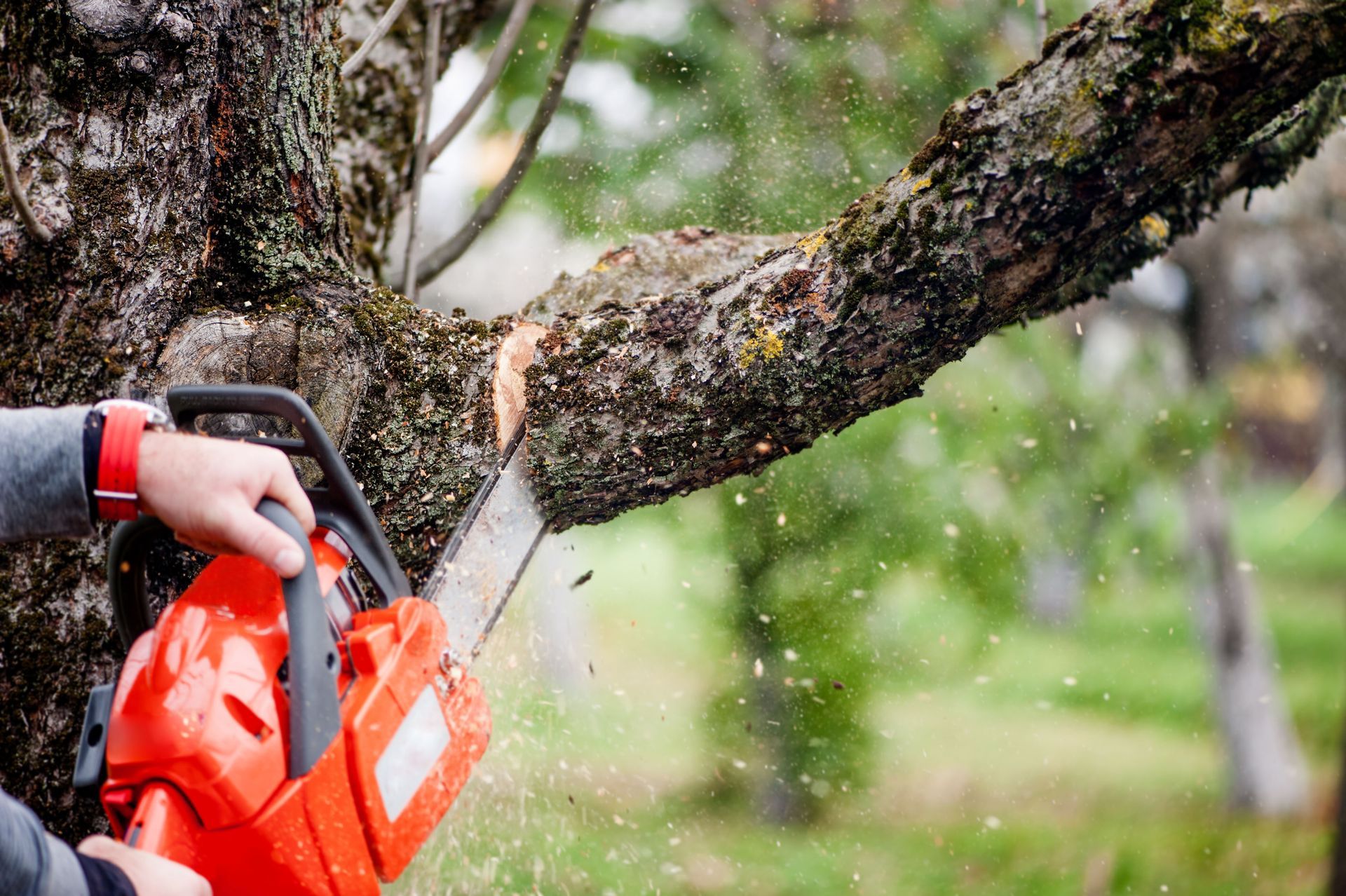
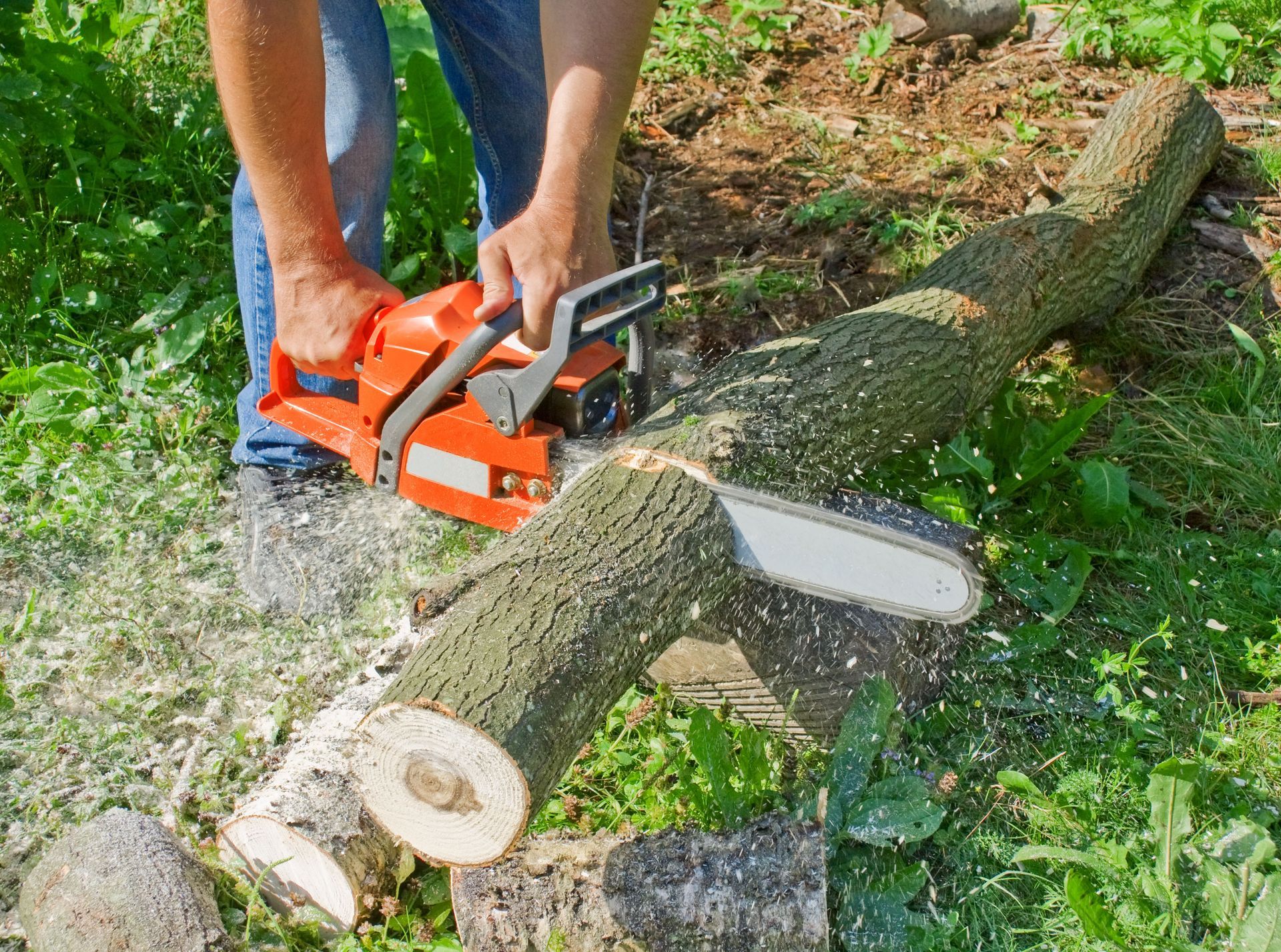
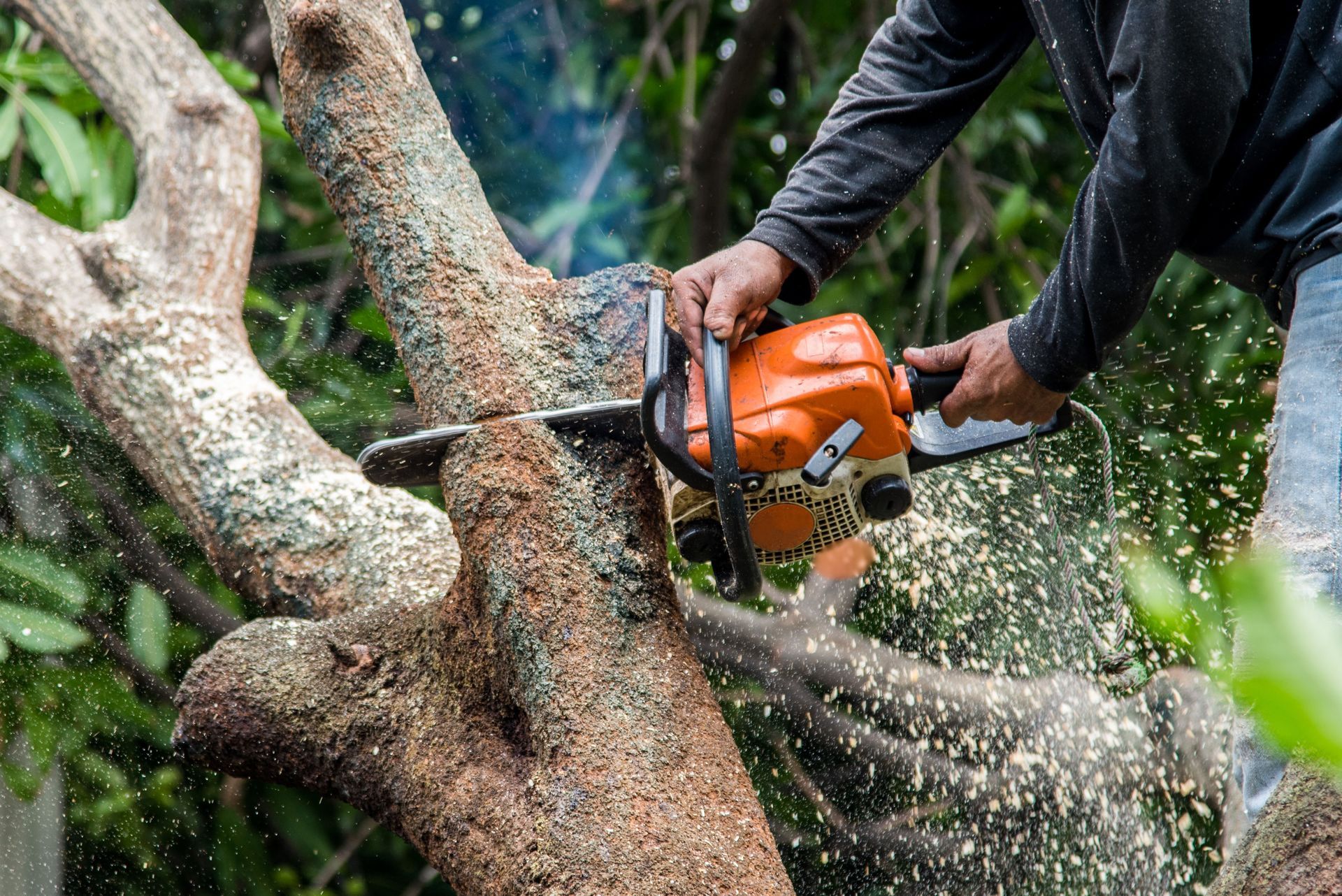
Tree cutting requires specialized tools and machinery. Chainsaws, cranes, wood chippers, and stump grinders are commonly used depending on the scope of the project. Professional companies maintain their equipment regularly to ensure safe and efficient operation.
Advanced equipment allows crews to remove trees in sections when space is limited. This controlled approach minimizes impact on surrounding landscaping and structures.
4.2 Strategic Cutting Methods
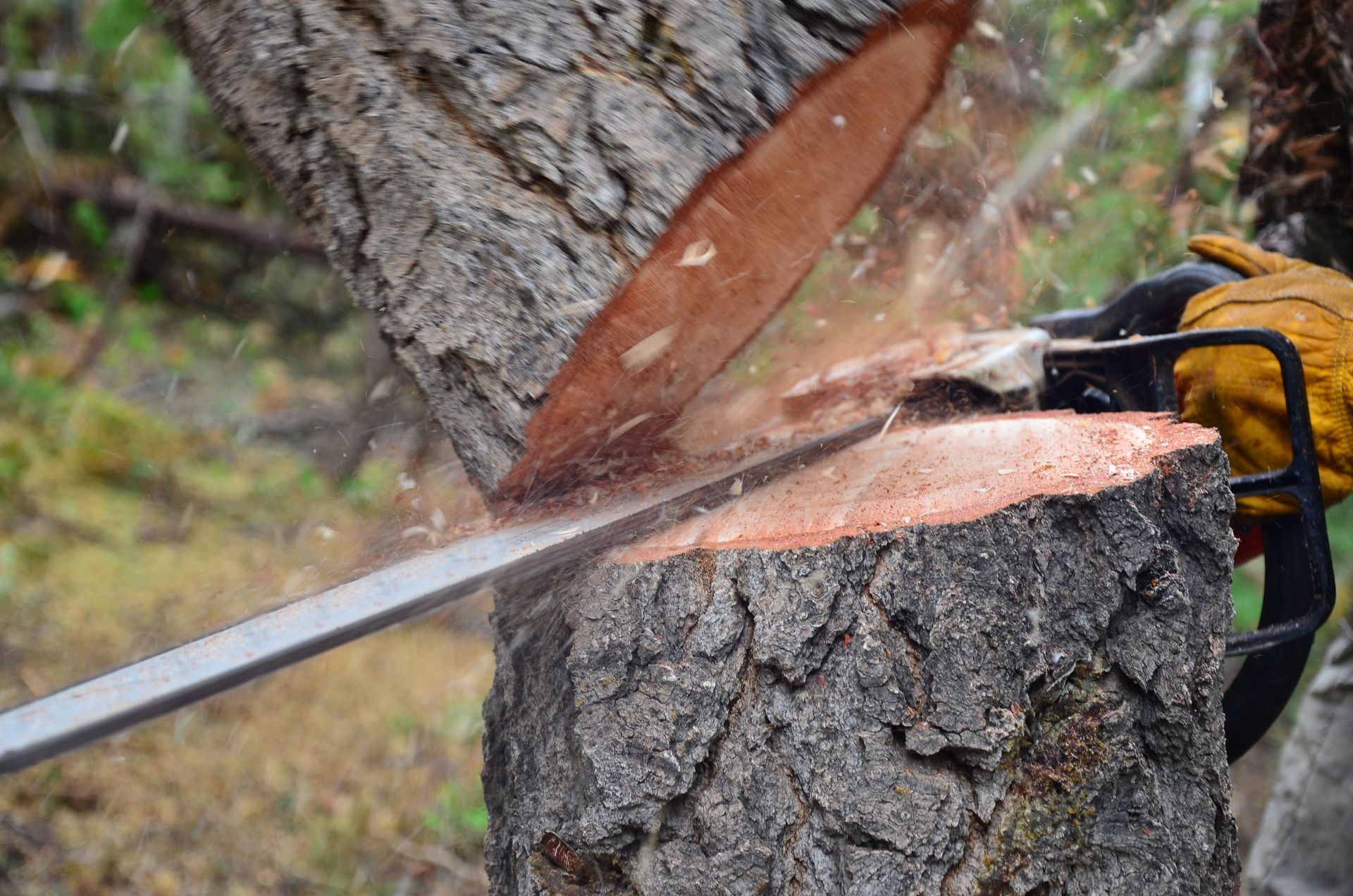
Different situations call for different tree cutting techniques. For example, sectional dismantling may be used in tight residential areas, while directional felling works well in open spaces. Professionals analyze the tree’s lean, weight distribution, and structural integrity before choosing the best method.
Precision reduces unnecessary damage and ensures the process proceeds smoothly. Skilled execution reflects training, experience, and attention to detail.
4.3 Stump Removal Options
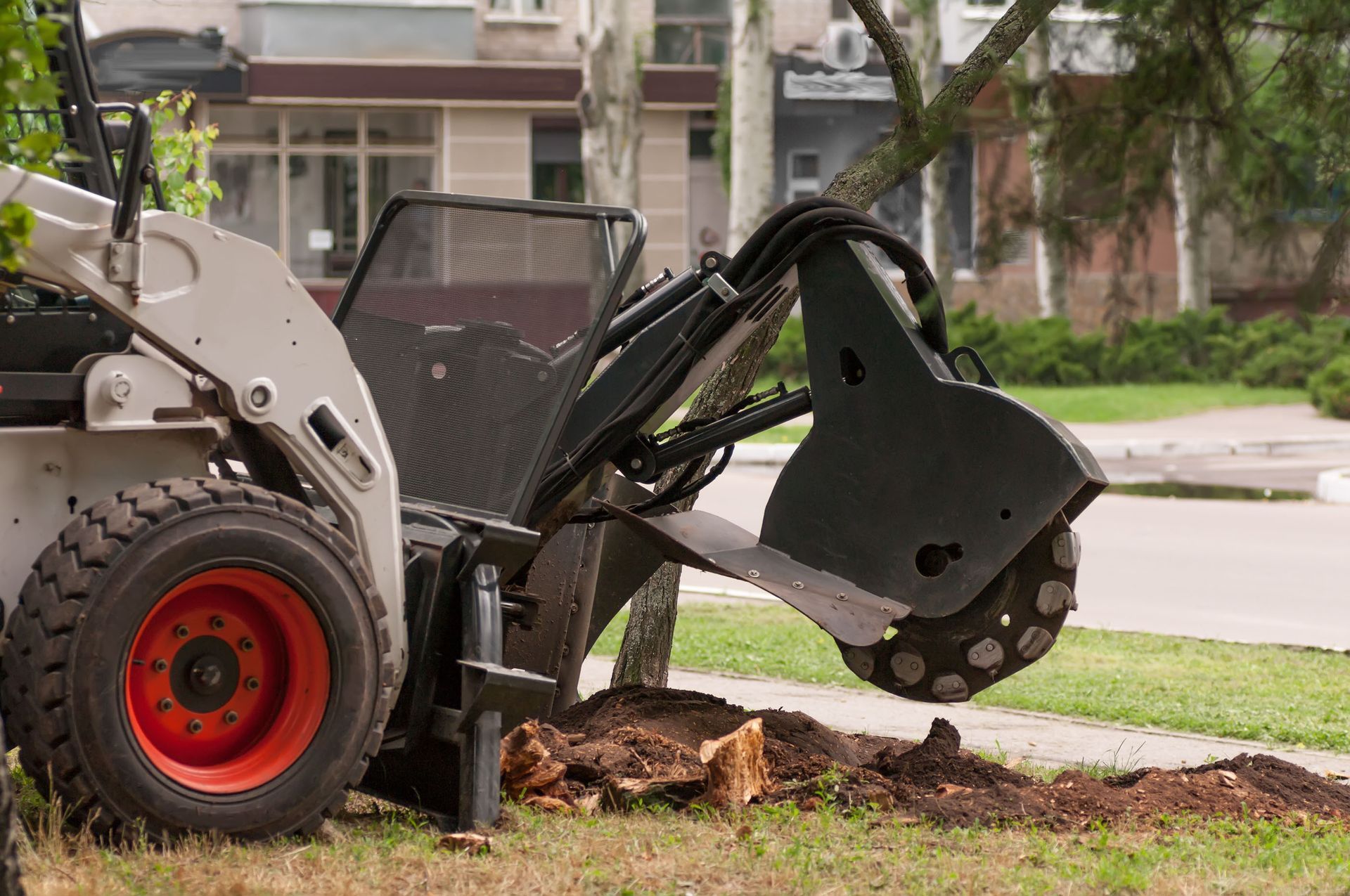
After tree cutting is complete, homeowners must decide whether to remove the stump. Leaving a stump in place can attract pests and create tripping hazards. Stump grinding is a common solution that removes visible remnants while allowing the area to be replanted or landscaped.
Discussing stump removal options with your service provider helps you determine the best solution for your property goals.
5. Post-Cutting Impact and Maintenance
5.1 Landscape Restoration
Tree cutting can temporarily disrupt the appearance of a yard. Reputable companies typically clean up debris, remove logs, and restore disturbed areas as much as possible. Some services include spreading mulch or leveling soil to promote a polished finish.
Proper cleanup ensures your property remains safe and visually appealing once the project is complete.
5.2 Preventative Tree Care
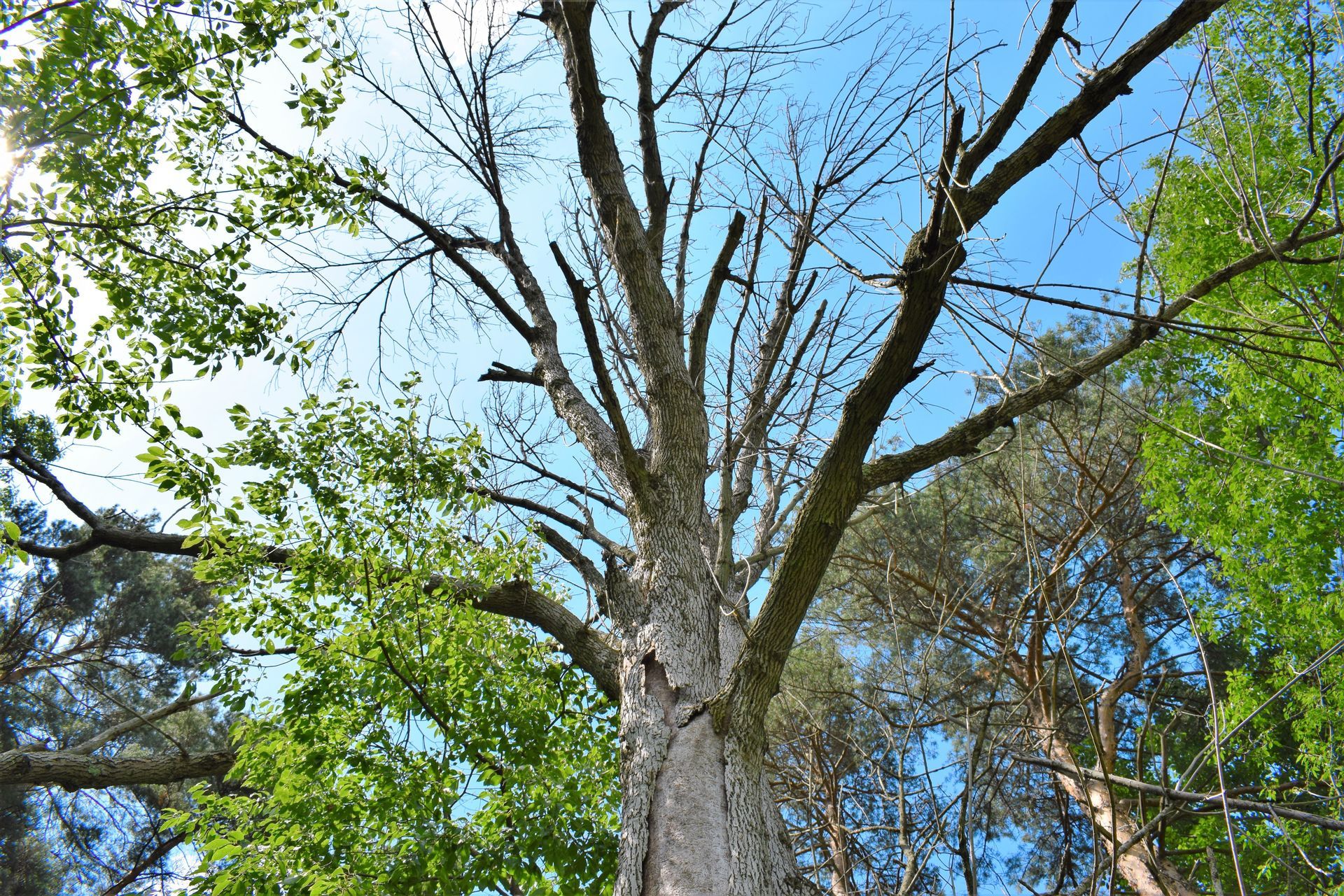
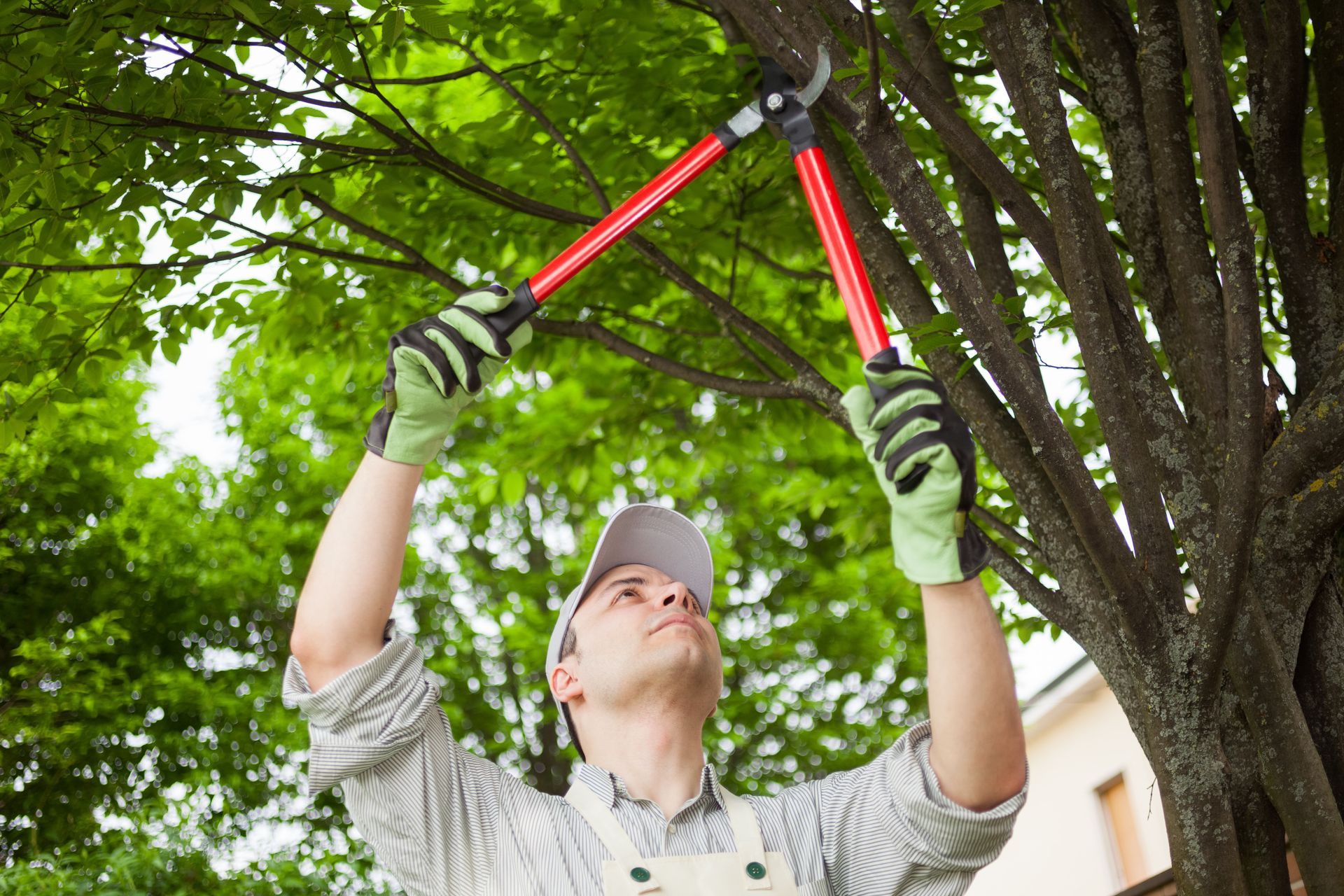
Not all situations require complete removal. In some cases, trimming or pruning can address safety concerns without eliminating the entire tree. Routine inspections help identify disease, decay, or structural weakness early.
Preventive care reduces the need for emergency tree cutting in the future. Establishing a maintenance schedule with a trusted provider keeps your landscape healthy and safe year-round.
5.3 Long-Term Property Value
Strategic tree cutting can enhance property value by improving curb appeal and eliminating hazards. Removing dead or unstable trees reduces liability risks and protects structures from storm damage. At the same time, preserving healthy trees contributes to shade, energy efficiency, and aesthetic appeal.
Balancing removal with preservation creates an attractive and functional outdoor space that supports long-term investment value.
Tree cutting is a complex process that requires thoughtful planning, environmental awareness, legal compliance, and professional expertise. Because a qualified company will handle the work, homeowners should focus on selecting an experienced, insured provider who follows safety standards and local regulations. From initial assessment to final cleanup, every stage plays a role in achieving safe and effective results.
Understanding these important aspects allows you to approach tree cutting with confidence. By prioritizing safety, respecting environmental guidelines, verifying permits and insurance, and considering long-term landscaping goals, you can ensure the project benefits both your property and the surrounding community. For more information, Jake's Lawn & Tree Service.


Share On: